In today's challenging housing market, the concept of a ground lease is regaining attention as a mechanism to address the affordability crisis. Historically tied to feudal systems, ground leases separate ownership of land from the structures built upon it, effectively lowering entry costs for developers and potential homeowners alike. However, this arrangement raises crucial questions about ownership stability and long-term viability, particularly in urban environments where the dynamics of land value, rental agreements, and development financing intersect tumultuously.
Historical Context and Modern Revival
The roots of ground leases stretch back to feudal England, where monarchs retained ownership of land while allowing vassals to cultivate and improve it in exchange for rent. This system has morphed over centuries into a contemporary real estate strategy, particularly in cities like New York during the post-war housing boom of the late 1950s. Developers, faced with high interest rates and skyrocketing land costs, turned to ground leases as a way to build without the prohibitive expense of purchasing land. This model provided advantages for developers, allowing rental payments to serve as a source of equity as the land value appreciated.
The Emergence of a Modern Affordable Housing Strategy
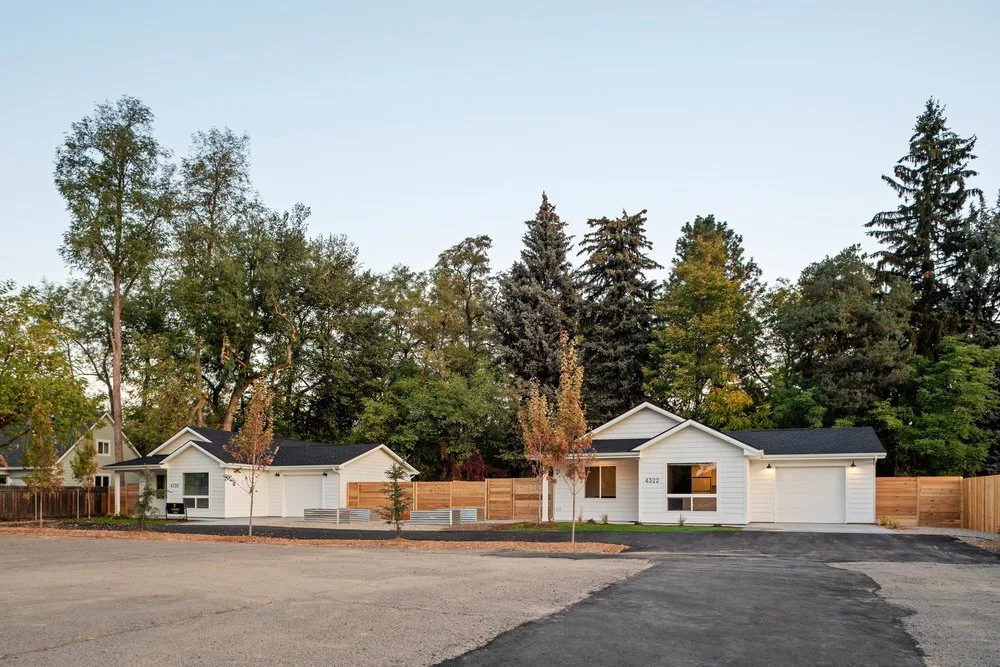
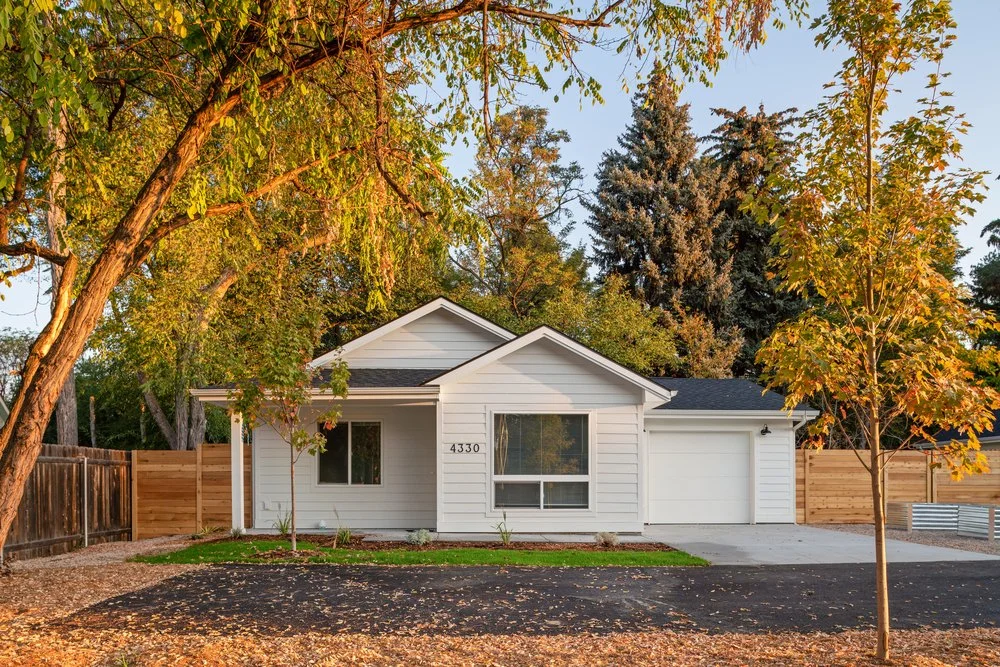
Fast-forward to recent years: since 2019, raw land prices have reportedly surged by about 80%. Coupled with persistently high interest rates, this escalation in costs has rekindled interest in the ground lease model, especially among affordable housing advocates and community land trusts. Initiatives like the Yes in God’s Backyard (YIGBY) movement illustrate how groups are leveraging ground leases to reduce housing costs. For instance, LEAP Housing in Idaho is transforming church land into 99-year ground leases for low-rent housing, benefiting both developers and residents by keeping costs significantly below market levels.
Potential Pitfalls of Ground Leases
While ground leases offer significant potential advantages, they also introduce vulnerabilities that must be examined critically. Jonathan Miller, a seasoned appraiser and consultant, warns that relying on leased land can signify a market nearing its closing window. He recalls instances in New York where co-ops faced dramatic increases in ground rent upon the expiration of their leases—one notable case involved Carnegie House, experiencing a staggering 450% rent hike. Such steep increases threaten long-term ownership stability, pushing seasoned owners out based on rising monthly fees.
Questions about equity also linger. Jake Krimmel, a senior economist at Realtor.com, raises concerns about the lack of wealth-building opportunities in ground lease arrangements. Traditional homeownership typically allows for value appreciation, which homeowners tap into upon sale. In contrast, the ground lease model often dictates that the owner of the building has no stake in the appreciating value of the land itself—only the ongoing obligations of ownership remain, creating a stark imbalance.
A Modern Safety Net or Risky Proposition?
Ground leases are not without their champions. The evolution of companies like Safehold, a real estate investment trust specializing in ground leases, reflects a critical shift in how this model can be employed. Over recent years, Safehold expanded its portfolio from 12 deals in 2017 to over 130 in 2022, attributing this growth to the need for innovative capital solutions in expensive markets. Steve Wylder, Safehold's EVP of investments, asserts that their approach, featuring capped rent increases and fixed terms, seeks to mitigate the risks historically associated with ground leases.
Nevertheless, caution is warranted. As Miller points out, anyone considering participation in a ground lease—or purchasing any property under such a system—should conduct thorough due diligence on the lease terms and ownership context. The key lies in understanding the implications of such arrangements for both current and future buyers.
Looking Ahead: Navigating Opportunities and Risks
The evolving landscape highlights ground leases as a potentially valuable tool for addressing housing shortages and affordability, particularly in high-cost urban areas. However, as the model resurfaces in discussions about sustainable housing solutions, it is essential for stakeholders to remain vigilant about the inherent risks. The necessity of transparent and equitable terms in ground leases cannot be overstated, particularly to safeguard long-term homeowners and prevent disruptions in the housing market.
If you’re involved in the housing sector, the ground lease model is worth watching closely. Its role could either bolster affordable housing efforts or contribute to new forms of vulnerability—even as more stakeholders seek to adopt this historical tool in the modern market. The ability to strike a balance between innovative solutions and protective measures will define the path forward.