The escalating drought conditions gripping over 61% of the U.S. are forcing a reevaluation of landscaping norms, particularly in regions experiencing severe water shortages. This is the highest recorded percentage in nearly four years, according to the latest data from the U.S. Drought Monitor. Areas like central North Carolina are already feeling the impact, with local officials in Wake County imposing water restrictions that affect over 600,000 residents. The combination of low water levels in reservoirs like Falls Lake and insufficient rainfall is prompting homeowners and professionals alike to rethink their approach to outdoor spaces, particularly as they gear up for spring planting.
Such drastic changes aren't merely an inconvenience; they point to broader trends in consumer behavior and environmental sensitivity. Tammy Sons, CEO of TN Nursery in Nashville, notes that homeowners are moving away from traditional lush lawns in favor of more sustainable options. “Where a large, water-hungry lawn used to be a source of family pride, homeowners are now much more focused on sustainability, long-term costs, and resilience against harsh conditions,” she says. This sentiment encapsulates a significant shift not just in landscaping but also in how property values are perceived amidst changing climatic realities.
Adapting to Water Scarcity
The reality is that many traditional lawns were never intended to survive without ample irrigation, and current restrictions are putting that to the test. A staggering 30% of household water consumption in the U.S. is allocated to outdoor activities, predominantly to lawns, as stated by the U.S. Environmental Protection Agency. With the clock ticking on water availability, homeowners face a pressing need to reconsider their landscaping strategies.
Experts like Jim Fucetola, horticulture specialist and president at Earthwise Seed, highlight a trend towards the use of drought-resistant plants. “We’re witnessing a shift towards landscapes that can hold up on their own: drought-tolerant grasses, clover blends, and regionally adapted seed mixes,” he explains. This approach capitalizes on natural rainfall, easing the reliance on artificial irrigation.
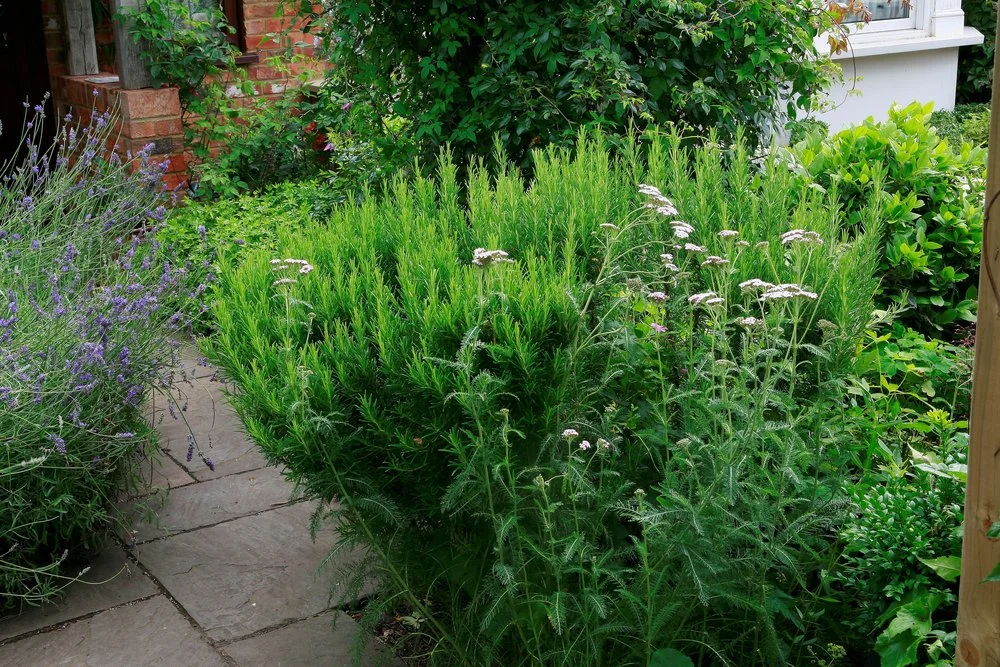
Groundbreaking methodologies such as xeriscaping are gaining traction, eschewing water-intensive practices for landscapes that seamlessly mesh with local ecosystems. Fucetola elaborates, “Xeriscaping has evolved—it's no longer merely gravel and cacti. Instead, think of fine fescue lawns and clover, providing a tasteful yet practical alternative that withstands drought without sacrificing aesthetics.” In practical terms, homeowners aren’t locked into an all-or-nothing approach; changes can be implemented incrementally, resulting in a landscape that is as functional as it is beautiful.
Maintaining Property Value Through Smart Landscaping
In the context of dwindling water resources, maintaining property value is becoming increasingly complex. The fear of a parched landscape potentially reading as neglect can alienate buyers. Kyle Turner, CEO of Pro Active Pest Control, offers keen insights into this dilemma. “A wild native meadow reads as neglect to a buyer. The same plants arranged with clean borders and focal points signal intent and low-maintenance appeal, which is attractive in today’s market," he explains.
Homeowners can also use a selection of drought-resistant plants that retain the aesthetic appeal of a traditional garden. Popular choices include lavender, rosemary, and agave—all of which thrive in arid conditions and offer a myriad of textures throughout the seasons. The goal isn’t just to conform to the restrictions but to innovate in creating a landscape that enhances curb appeal without substantial water dependency. Strategies such as grouping plants by water needs and implementing efficient drip irrigation systems reinforce this goal while adhering to current water usage guidelines.
The shift in residential landscaping poses a dual opportunity: homeowners can increase their property values while contributing to sustainable environmental practices. This evolving approach isn’t simply a response to immediate demands; it's transformative, paving the way for resilient urban environments less susceptible to the whims of weather patterns.
In summary, as restrictions tighten and awareness of water scarcity grows, a proactive approach to landscaping not only positions homeowners to thrive amid change but also sparks a broader conversation about our collective responsibilities in resource management. The future of landscaping will likely balance environmental consciousness with property value, creating a landscape that is both appealing and sustainable.