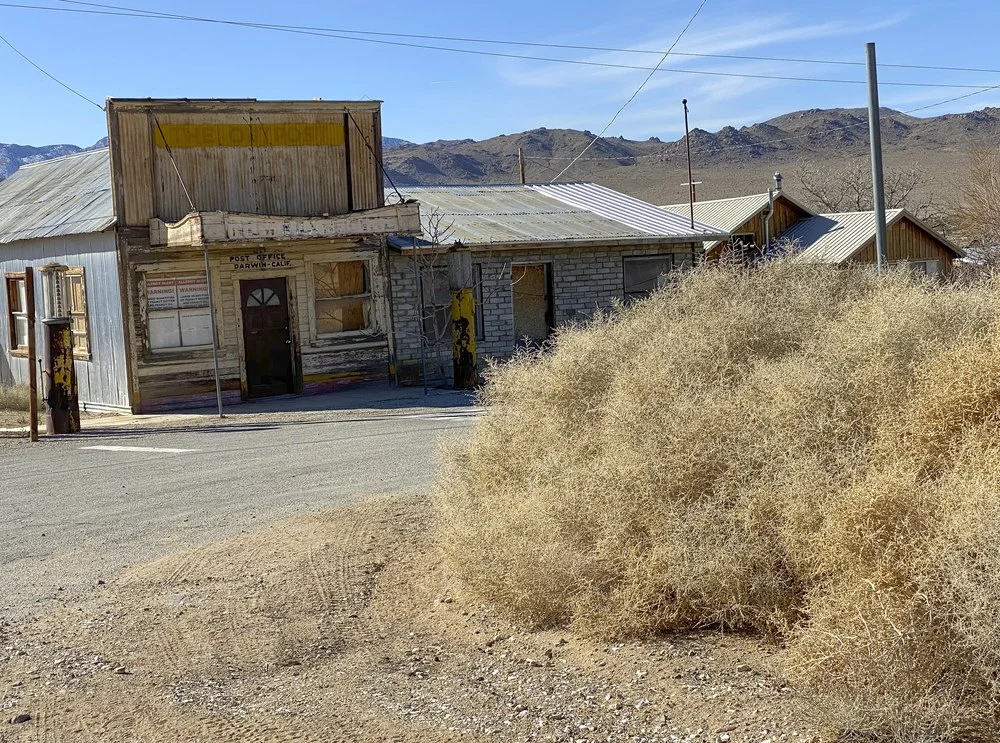
The story of Darwin, California, is one of stark contrasts: once a bustling mining boomtown, now a semi-ghost town with fewer than 30 residents grappling with its identity. The newly emerging interest in the town is intriguing, signaling a potential shift in its dynamics, driven largely by individuals seeking an escape from urban life and a route to sustainable living. For real estate professionals, understanding this revival is key to navigating the unique offerings that places like Darwin present.
The Allure of Dark Skies
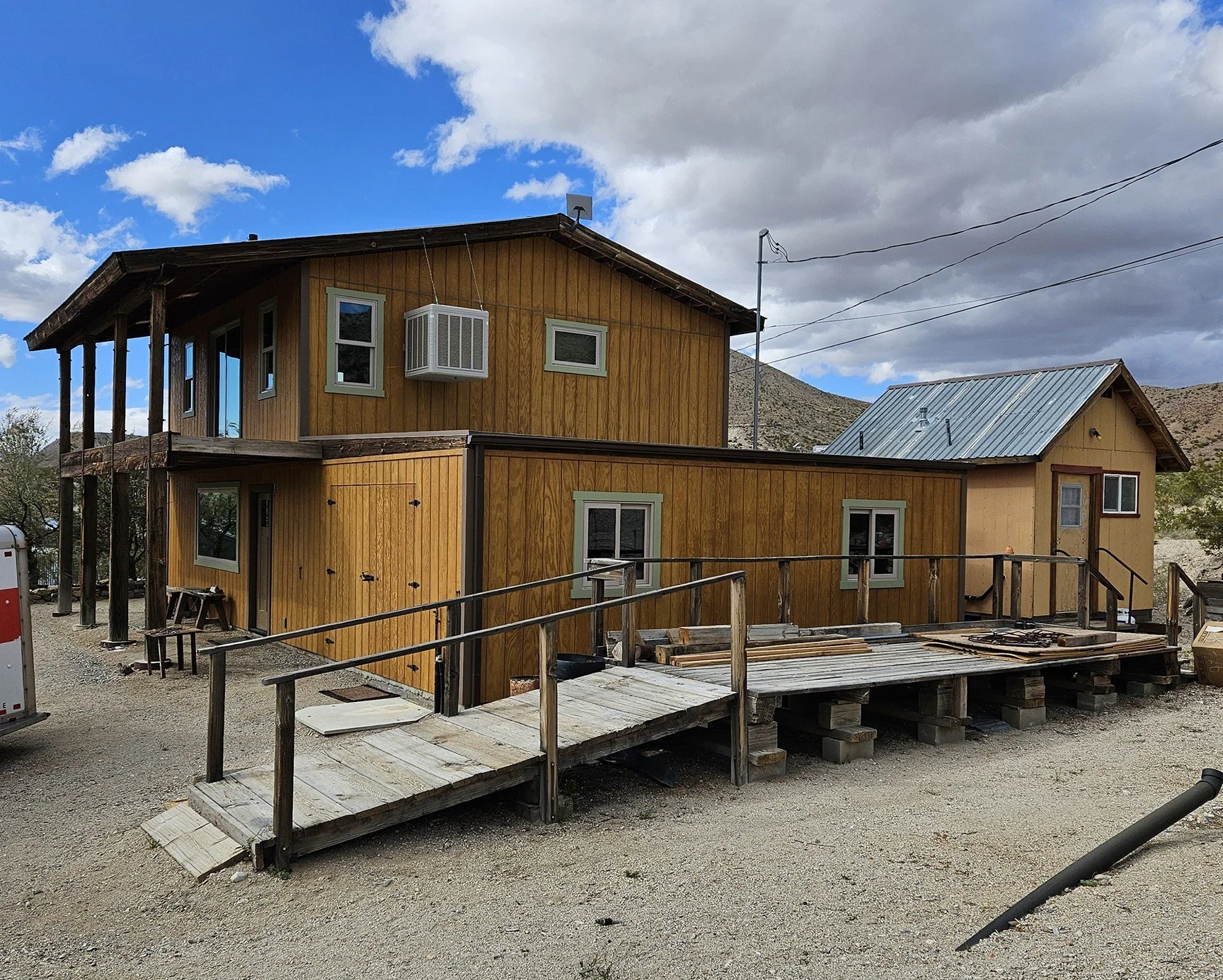
Michael Kantor, a retired civil engineer from suburban Los Angeles, epitomizes the type of resident newly drawn to Darwin. His journey began during the pandemic, when he developed a passion for stargazing—something that’s nearly impossible amidst the heavy light pollution of metro areas. For Kantor, Darwin’s remote, dark skies became a sanctuary, prompting regular visits that ultimately led him to buy a fixer-upper in this desolate locale.
Kantor’s experience reflects a broader trend among homebuyers, particularly those prioritizing unique lifestyle choices over traditional amenities. He purchased his two-bedroom home for $150,000 in 2024, a rare occurrence in a town where only seven homes have been sold in a decade, with a median sale price hovering around $100,000. The demographic targeting—retired professionals or artists drawn to the desert's isolation—signals a shift in the kind of resident Darwin is attracting.
Renovation Challenges in Isolation
Kantor's renovation challenges encapsulate the remote living experience in Darwin. The closest hardware store, located 40 miles away in Lone Pine, and a Home Depot 100 miles away in Ridgecrest make minor repairs an ordeal. These hurdles not only add time but also monetary costs, as sourcing materials and labor requires significant planning. Kantor enlisted workers from Los Angeles to manage the long-distance renovation, showing the necessity of self-sufficiency and ingenuity in rural environments.
For potential buyers considering properties in such isolated areas, the principle of adaptability is paramount. Curtis Amundson, a local real estate agent, highlights this aspect, emphasizing that prospective homeowners must be handy and self-reliant due to the limited availability of contractors. Those willing to invest their time and effort to maintain properties and engage with the community will likely find welcoming arms among long-standing residents.
A Fragile Community with Limited Resources
Darwin's isolation has fostered a unique community dynamic, balancing a desire to maintain its quietude with the necessity for growth. With just 62 water permits, the town’s capacity is limited to around 100 residents, resulting in a delicate balance between preserving its character and welcoming new residents who can contribute to its sustainability.
The aging community's pull against the influx of new residents creates a palpable tension. Investors and potential homebuyers must understand their dual role as custodians of the area’s serenity while helping to revitalize its infrastructure. Those like Kantor, who express an interest in participating actively in the community (like maintaining water systems), may find a more engaging experience in Darwin, which values contributions over transient visits.
Market Trends and Implications
Navigating the real estate waters in Darwin resembles a paradox. On one hand, the lack of amenities might deter some buyers. On the other, a younger demographic seeking tranquility and telecommuting options are eyeing the town as an alternative to crowded urban living, aided by Starlink and other connectivity solutions. Amundson notes this telecommuting trend, as buyers from urban centers, particularly the Bay Area, seek refuge in Darwin’s comparative quiet and natural beauty.
While substantial rehabilitation is necessary for most properties on the market, buyers are increasingly willing to embrace these challenges, attracted by self-sufficiency and sustainable living. The market here tests traditional notions of desirability, focusing instead on community involvement and environmental connection—a sentiment aptly captured by Kantor’s reflections on his own life choices.
Looking Ahead
For real estate professionals, Darwin offers a lesson in the complexities of rural housing markets. It’s not merely about sales figures; understanding the motivations of buyers who prioritize quality of life, sustainability, and community participation is essential. Darwin represents a niche opportunity: a chance to cultivate a new community dynamic amidst the remnants of its mining past. Consider this a foundation for rejuvenating this unique slice of California and shaping its future identity. The implications for real estate trends in similar regions—where urban residents seek out rural lifestyles—will certainly be worth monitoring as interest in areas like Darwin grows. As more individuals like Kantor see potential in these forgotten places, the renaissance of towns like Darwin might just be beginning.