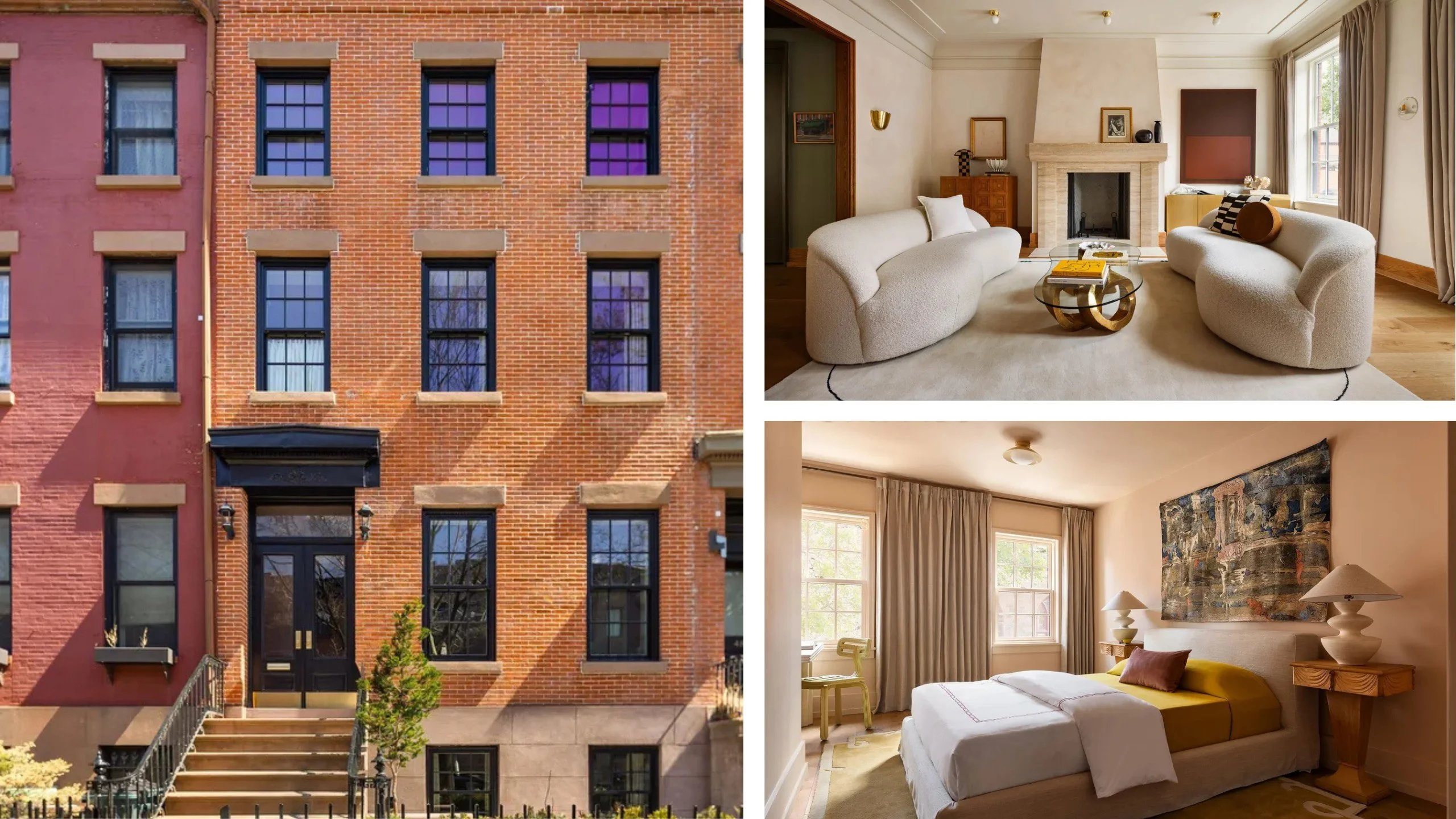
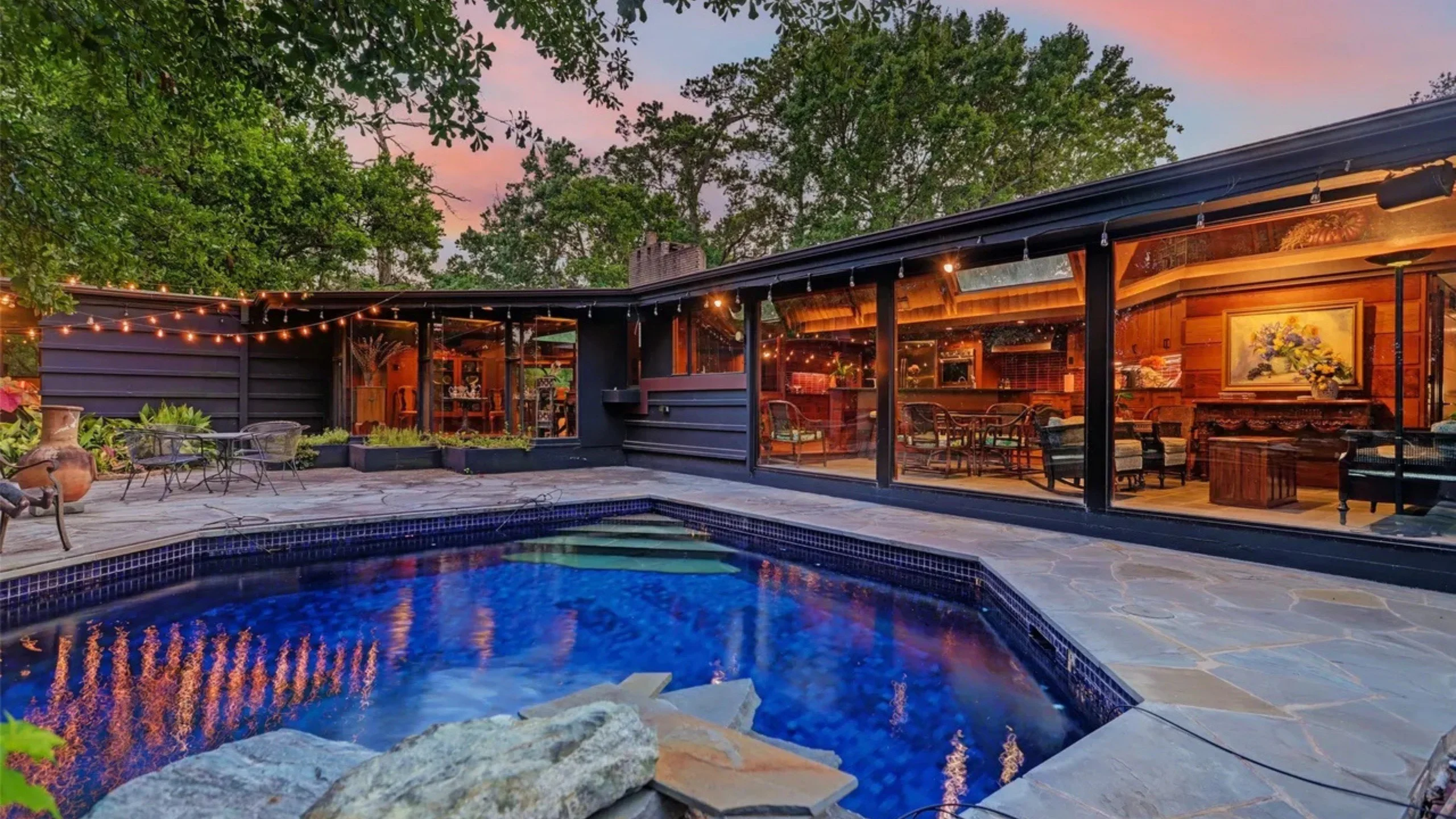
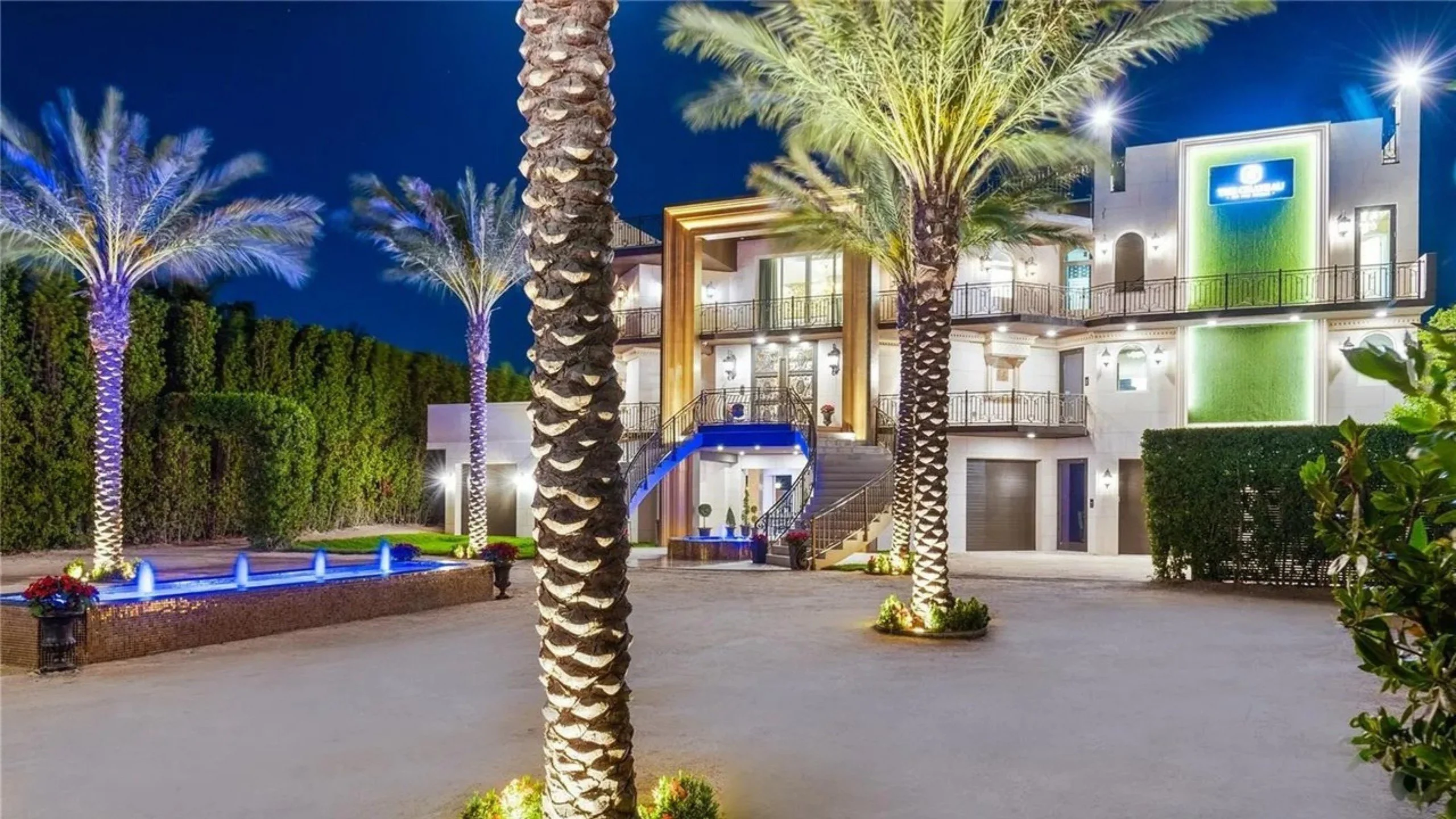
The traditional pathway into homeownership is shifting dramatically, driven by a new breed of buyers who display an inclination to forgo the concept of "starter homes" in favor of properties they can envision staying in for the long haul. This change marks a significant departure from the generational norms established by previous homeowners and reveals stark realities about today’s housing market that cannot be ignored.
The Evolving Homebuyer Perspective
A recent survey by BMO underscores a telling trend in U.S. homebuyers' expectations: about 65% of them foresee their first purchase as their last. This sentiment is especially pronounced among younger buyers: over half of millennial and Gen Z homeowners believe they will remain in their initial residence for the rest of their lives. These findings suggest a marked evolution in what constitutes a 'forever home,' with buyers prioritizing properties that meet their long-term needs rather than settling for transitional spaces.
Paul Dilda, BMO’s head of U.S. consumer strategy, articulates this shift succinctly: buyers are no longer seeking starter homes but rather houses that align with their life stages and family requirements. As first-time homebuyers tend to enter the market later in life, their desire for versatility and permanence is altering demand dynamics.
Market Implications of the New Buying Strategy
This trend towards “one-and-done” home buying is reshaping inventory patterns. The median age of first-time homebuyers is projected to hit 40 years by 2025, a notable increase from 28 in the 1990s. This demographic shift has implications that potentially stifle housing market fluidity. Traditionally, the migration of homeowners from smaller starter homes to larger ones has been a key driver in refreshing the supply of entry-level properties. However, fewer buyers seeking to upgrade could exacerbate inventory shortages.
Hannah Jones, a senior economic research analyst at Realtor.com, highlights a critical market concern: as buyers opt for homes that align with their long-term aspirations, the typical turnover rate diminishes. This could deepen the supply shortage since fewer starter homes will be made available to new entrants eager for affordable housing options. In markets like Nashville, this trend manifests as a significant lack of entry-level inventory, leaving many potential first-time buyers with increasingly limited options.
Challenges of Entering a Higher-End Market
Real estate professionals are observing first-hand the challenges associated with this new approach to home buying. Chris Grimes, a broker in Nashville, explains that while many first-time buyers are excited about bypassing starter homes for more substantial properties, they are often unprepared for the responsibilities accompanying higher-end homes. The maintenance costs, sophisticated systems, and higher-quality materials can be overwhelming for those new to homeownership, potentially leading to financial strain if unexpected repairs arise.
Moreover, the reality is that properties perceived as “forever homes” often come with complexity far beyond that of traditional starter homes, increasing the stakes for buyers who aim high right out of the gate. As Grimes points out, the long-term implications of ownership will likely require an adjustment in buyer expectations, with greater emphasis on budgeting for maintenance and potential upgrades in the future.
Demand for Multigenerational Living and Adaptability
In this new era, homes that cater to multigenerational living are gaining traction. A significant majority of millennials and Gen Z homeowners express a desire for properties that can house elderly family members as they age. According to the BMO index, over two-thirds of this demographic finds it important to purchase homes capable of accommodating parents or grandparents. Additionally, there's a growing trend towards investing in rental capabilities within their primary residences, with many looking to generate passive income through long-term tenants or short-term rentals.
The Disconnect Between Aspirations and Realities
Despite these desires, a pervasive sense of grim realism affects many aspiring homeowners. Approximately 55% of non-owners indicate that they view homeownership as unattainable, a feeling that transcends income levels, as evidenced by nearly half of renters under 40 with incomes exceeding $100,000 expressing similar skepticism. Factors contributing to this reluctance include rising caregiving costs, a hesitance to tap into retirement savings for down payments, soaring home insurance rates, and the increasing threat of climate-related risks.
The purchasing landscape is fraught with hesitancy, accentuated by high interest rates and property values, which have simultaneously heightened the stakes for buyers. According to Dilda, many renters are adopting a wait-and-see approach, with only 14% planning to buy within the next year, down from 17% during the previous cycle.
Looking Ahead: The Future of Homeownership
If you’re navigating in this space, it’s paramount to recognize the shifting preferences of today’s buyers. The forecast suggests an enduring demand for versatile, adaptable homes that cater to evolving family structures and financial landscapes. As homebuyers continue to seek properties that fulfill immediate and future needs, understanding these trends will be critical for developers and real estate professionals alike.
The emerging landscape redefines what the American Dream looks like; homeownership remains a cherished aspiration, but the pathways to achieving it are becoming increasingly intricate. Those in the industry must recalibrate strategies to reflect this new reality, as adaptability will be essential in addressing both market demands and the aspirations of prospective homebuyers.