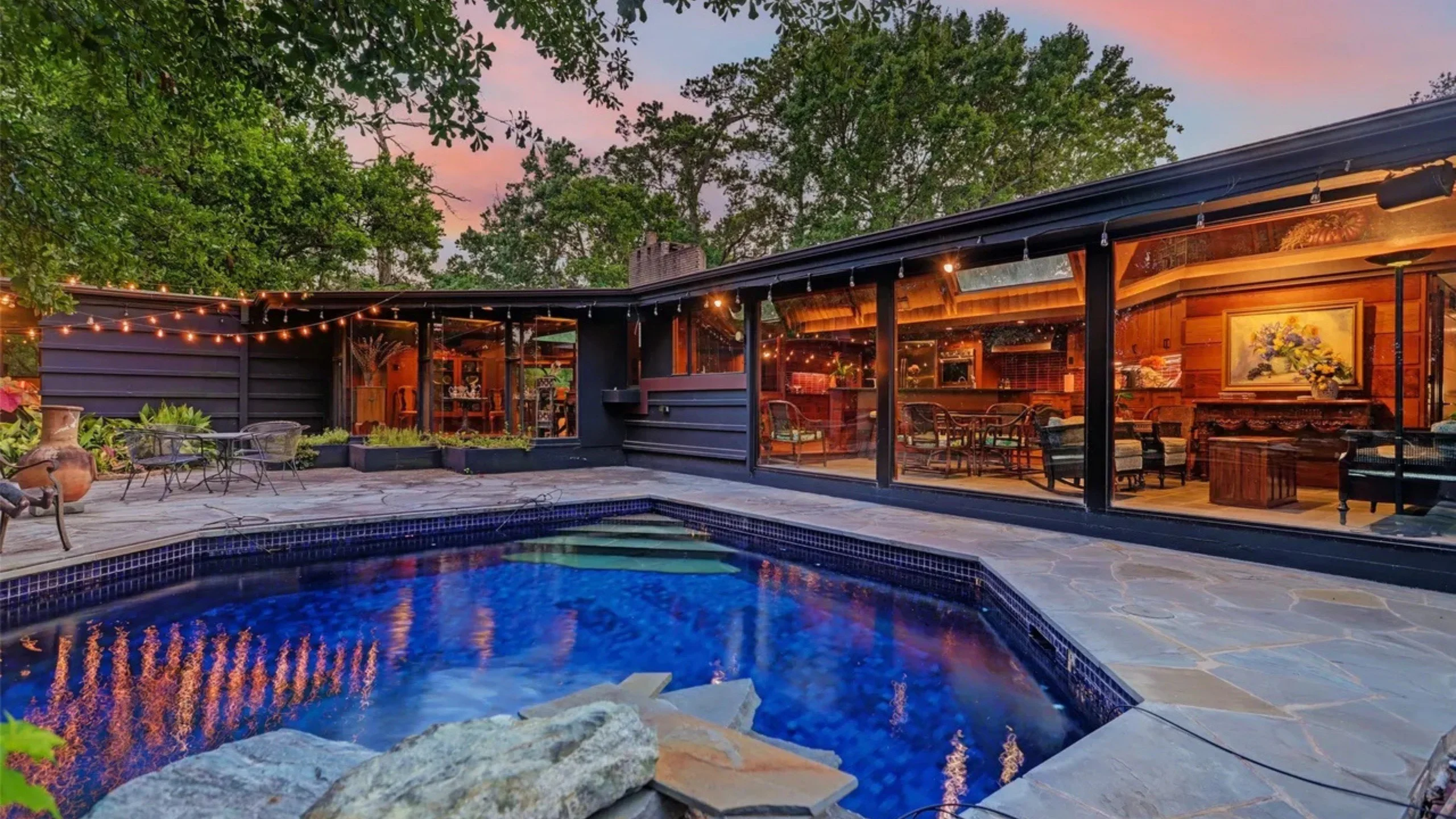
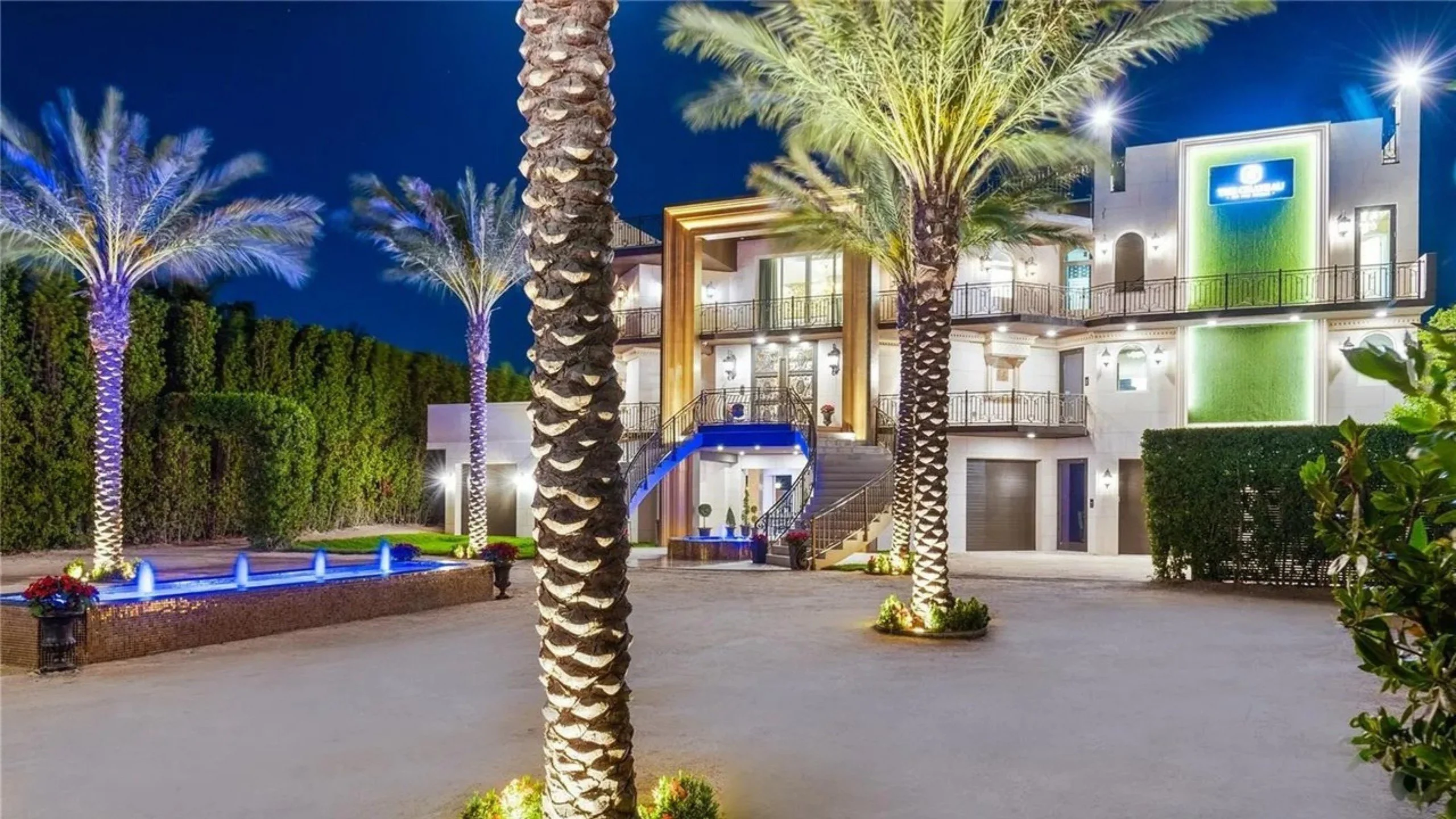
Arizona’s burgeoning short-term rental (STR) industry has become a lightning rod in the state's deeply rooted housing crisis. The prevailing narrative often blames STRs for exacerbating housing scarcity and driving up prices. However, a recent analysis from the Common Sense Institute flips the script, revealing that the issue is far more complex than once believed. Essentially, STRs may not be the chief culprits in the state’s affordability issues, which have deeper historical roots, particularly tied to the aftermath of the Great Recession.
Understanding the Housing Shortage: A Historical Context
The notion that STRs are primarily at fault for Arizona's housing affordability crisis oversimplifies a multifaceted problem. The housing affliction can be traced back to the devastation of the Great Recession, during which Arizona was among the hardest-hit states. Home values in Phoenix plummeted by an average of 56%, with over 116,000 homes facing foreclosure in 2008—a staggering figure when compared to the 367,000 foreclosures across the country in 2025.
During the nefarious years following the recession, the state’s new housing construction ground to a halt. From 2003 to 2007, Arizona permitted about 400,000 housing units. However, between 2008 and 2018, the number drastically shrank to approximately 211,000 units. Even today, Arizona's pace of new home construction earns only a mediocre grading in the State-by-State Affordability Report Card by Realtor.com®.
Throughout the 2010s, the situation seemed manageable, as home prices grew steadily rather than explosively due to prolonged economic uncertainties. However, systematic constraints on housing supply were festering beneath the surface. Between 2010 and 2019, Arizona's population increased by 13% while housing stock only grew slightly under 11%. This worsening imbalance set the stage for disaster.
The STR Surge: Coinciding with Chaos
The COVID-19 pandemic catalyzed a seismic shift in the Arizona housing market. The state emerged as a focal point for new residents looking for better conditions, driving a nearly 64% surge in home prices from 2019 to 2022. As STR platforms like Airbnb gained momentum, the narrative quickly turned to vilifying these rentals as foes of affordability. However, the reality is that STRs have proliferated in areas where housing was already costly—largely due to their inception coinciding directly with the 2008 housing collapse.
Post-recession, the expansion of STR listings was impressive, growing by 57,000 since 2010, while roughly 55,000 vacation homes disappeared, suggesting these rentals were often repurposed from properties that were vacated for parts of the year rather than from homes that could have housed full-time residents. The core parallel here raises important questions: Are STRs genuinely diminishing the long-term housing stock, or simply filling a void left by years of suppressed construction?
Unpacking the STR Backlash
The backlash against STRs is rooted in more than just economic distress. Communities such as Sedona, Scottsdale, and Pima County have experienced palpable frustration as residents perceive these rentals as eroding the quality of life, sparking noise complaints, and transforming residential neighborhoods ultimately into transient zones. Some cities have attempted to propose stricter regulations around STRs but face challenges, especially since the 2017 SB 1350 law limits local jurisdiction over STR activities.
Interestingly, former Arizona Senator Debbie Lesko, who originally championed the legislation, has articulated a concern that STRs, initially intended to help homeowners earn supplemental income, have morphed into a tool for investors seeking profit rather than enhancing community cohesion.
The insight from the Common Sense Institute complicates the standard STR narrative. Despite home price increases statewide—42% before the pandemic—cities with the densest concentrations of Airbnb listings saw price hikes of only 37%. By 2015, these regions already had home prices that were at least 21% above the overall state average, indicating that STRs weren’t solely responsible for pricing out potential buyers.
Economic Implications of STR Policy Changes
The economic role of tourism in Arizona cannot be overstated, as nearly 46 million visitors generated $4.2 billion in revenue and supported about 187,000 jobs in 2023 alone, as indicated by the Arizona Office of Tourism. This creates a conundrum: while locals demand relief from STR proliferation, local economies significantly benefit from the income generated through tourism-related rental properties.
Crucially, the police against STRs presents a false hope for alleviating housing scarcity. If many STRs were formerly vacation homes or second residences, clamping down on them may not return full-time housing options to the market at the scale necessary to solve Arizona's critical supply crisis.
A Framework for Solution-Driven Discourse
Arizona's housing conundrum requires nuanced exploration and reframing of community priorities. The challenges of zoning laws, construction policies, and STR regulations cannot be debated in isolation from one another. What remains clear is the urgency for policymakers to examine the long-term implications of their actions in these areas rather than getting sidetracked by the immediate emotions surrounding STRs.
This scenario urges stakeholders to consider developing strategic frameworks that address both housing supply and the regulation of rental platforms—one that recognizes their role in the state's economy and seeks to strike a balancing act between growth and community stability. Ignoring the underlying economic trends will perpetuate the cycle of disenchantment among residents, potentially leading to further polarization rather than a concerted effort to create a more balanced housing market.